Machining is a manufacturing process where a desired shape or part is created using the controlled removal of material, most often metal, from a larger piece of raw material by cutting.
Machining is a process that shapes materials by removing unwanted parts using tools and machines. It includes types like turning, milling, and drilling. Used widely in industries such as automotive, aerospace, and medical, machining offers high precision and quality.
Machining is a core manufacturing process that involves cutting material from a workpiece to create a specific shape and size. This process is essential for creating components with high precision and smooth finishes, which are critical in various industries.
This guide delves into the machining processes and their benefits and expected limitations. Read on to discover standard machining techniques, materials that undergo machining processes, and essential skills for efficient machining projects.
Machining processes are a group of manufacturing methods used to remove material from a workpiece to achieve a desired shape, size, or surface finish. These processes are subtractive, meaning they work by cutting, drilling, grinding, or otherwise removing unwanted material.
Machining is a prototyping and manufacturing process that creates the desired final shape by removing unwanted material from a larger piece of material.
Machining is a manufacturing process involving the removal of material from a workpiece to create a desired shape or finish. This is achieved through various methods that cut, drill, grind, or shape materials like metals, plastics, and composites.
Machining is a manufacturing process in which material is removed from a workpiece to create a desired shape or finish. This is achieved using cutting tools, which are controlled by various methods, from manual operation to advanced computer numerical control (CNC) systems.
Machining manufacturing involves using tools like lathes, mills, and CNC machines to cut, shape, or drill materials into custom parts. Unlike additive methods (e.g., 3D printing), it removes material to achieve tight tolerances and smooth finishes, making it ideal for high-precision applications.
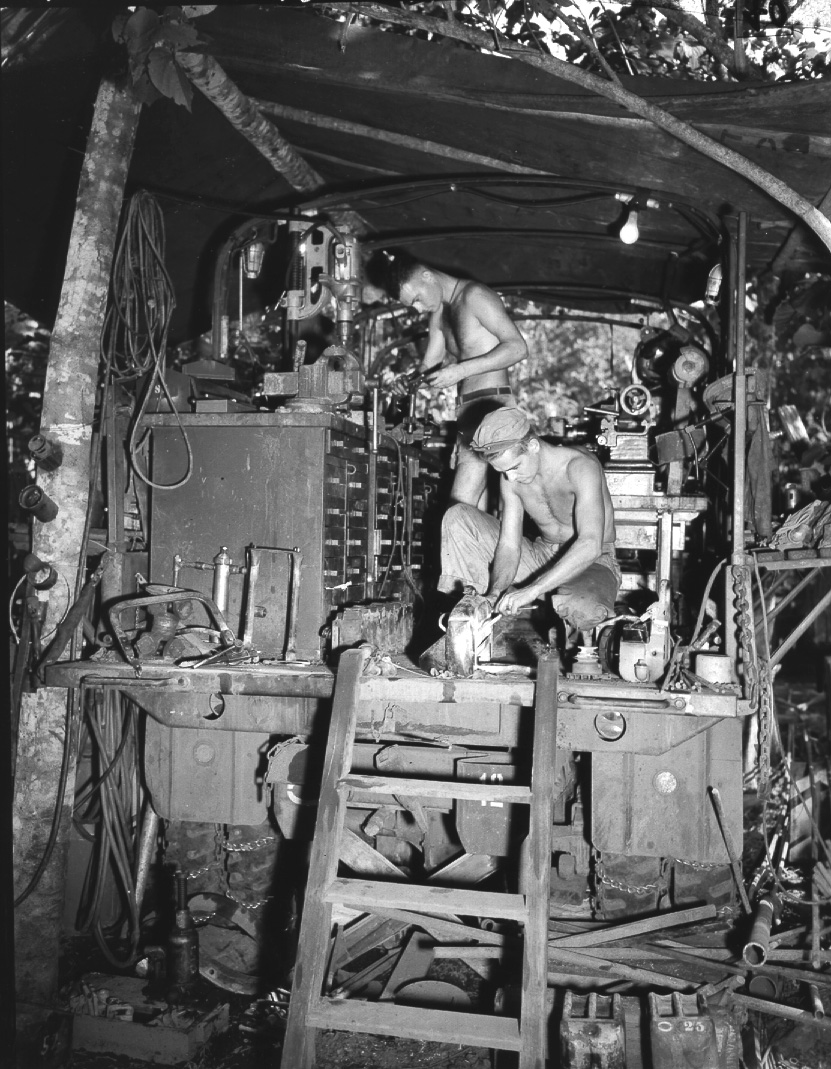 Machining is a manufacturing process where a desired shape or part is created using the controlled removal of material, most often metal, from a larger piece of raw material by cutting.